
Children & Teens
Children and teenagers experience the world deeply. Big emotions, busy minds and growing independence can sometimes feel overwhelming, both for young people and for those who care about them.
Sometimes worries creep in quietly. Emotions may start to feel bigger than before, sleep can become unsettled, confidence may dip, or everyday situations begin to feel harder than they used to. Often there is no single clear cause, just a sense that something does not feel quite right.
Children and teenagers experience emotions differently from adults. Their brains are still developing, and while emotional and imaginative areas mature earlier, the parts involved in reasoning, emotional regulation and perspective taking take much longer to develop.
This means children often feel things before they can explain them, and teenagers may understand something logically yet still feel emotionally overwhelmed. These responses are not signs that something is wrong. They are a normal part of development.
Support that recognises this and works with how children and teenagers naturally think and feel is often more effective and far less overwhelming than approaches that rely on talking alone.
My work supports children and young people to understand their minds, regulate emotions and build confidence in ways that feel safe, natural and appropriate for their stage of development. I use flexibility, imagination and practical tools alongside conversation, working in ways that children and teenagers can engage with more easily. You can read more about how I can help and what sessions involve here.


How children experience thoughts and feelings
Children and teenagers naturally make sense of the world through their imagination. They picture future situations, replay experiences, imagine what might go wrong, and create strong inner stories about themselves and the world around them.
This imaginative way of thinking is a normal and important part of development. It helps young people practise, problem solve and prepare for situations that feel challenging.
When stress, anxiety or low confidence are present, imagination can sometimes heighten worries rather than settle them. Rather than trying to stop thoughts or push feelings away, my work helps children and young people understand what is happening inside them and develop gentler, more supportive ways of responding.
This includes helping them notice how their thoughts, emotions and physical responses are connected, and how these patterns can influence behaviour in everyday situations. By building this understanding, children and teenagers can begin to feel more steady and more in control.
Because imagination is such a natural and familiar way for children to process their experiences, therapeutic approaches that go beyond talking alone, such as imagination based work, role play, visualisation and, where appropriate, hypnotherapy, can support children and teenagers in ways that feel safe, engaging and developmentally appropriate.
How I work with Children and Teenagers
I work in a flexible and responsive way, shaping therapy around each child or teenager. Sessions are paced carefully and adapted over time so the work feels supportive, manageable and appropriate for their stage of development.
My approach draws on cognitive behavioural hypnotherapy and brings together cognitive behavioural strategies, mindfulness, relaxation, hypnotherapy and practical coping tools, using these flexibly and thoughtfully over time to suit each child or young person.
The aim is to help children and teenagers build a practical emotional toolbox - supporting them to understand their minds, regulate emotions more effectively and feel more confident navigating everyday challenges now and as they grow.
How Children Engage in Therapy
Children often communicate in different ways, not just through talking. They may express themselves through drawing, movement, play, or creative activities — all of which are completely natural. Therapeutic ideas are gently introduced through stories, imagery, and activities, helping children feel calmer, more confident, and supported as they develop skills to manage challenges more easily.
For teenagers, sessions are adapted to feel age-appropriate and respectful of their growing independence. This may include conversation, practical exercises, visual tools, games, or working with their own interests, in ways that feel comfortable and engaging for them.
Where appropriate, hypnotherapy is used gently as part of a broader therapeutic approach. Children and teenagers are aware and in control at all times, and the work is adapted to their individual needs, preferences, and stage of development.
Approaches such as Hypno4Children® and Hypno4Teens® provide a supportive structure for sessions, using age-appropriate techniques to help young people understand their thoughts and feelings, manage stress, and build confidence and coping skills.
Hypno4Children & Hypno4Teens
The Hypno4Children® and Hypno4Teens® frameworks offer a clear and practical way of supporting children and teenagers to understand what is happening in their minds and bodies, and to develop skills that support emotional wellbeing.
This approach brings together hypnotherapy with cognitive behavioural strategies and other practical psychological tools. It helps young people make sense of their thoughts, feelings and behaviours, understand how stress affects them, and respond more effectively when things feel difficult.
The emphasis is on helping children and teenagers develop understanding and practical skills that support emotional wellbeing. Over time, they learn to recognise their emotional responses, understand how their stress system works, and practise ways of calming themselves and responding more helpfully to everyday challenges.
Within this approach, I may also draw on structured elements such as MindHack and StudyCalm. These support children and teenagers to understand how their mind and body respond to stress and pressure, and to develop practical skills they can use in everyday life. They are used thoughtfully and flexibly, shaped around the needs of each child or young person.

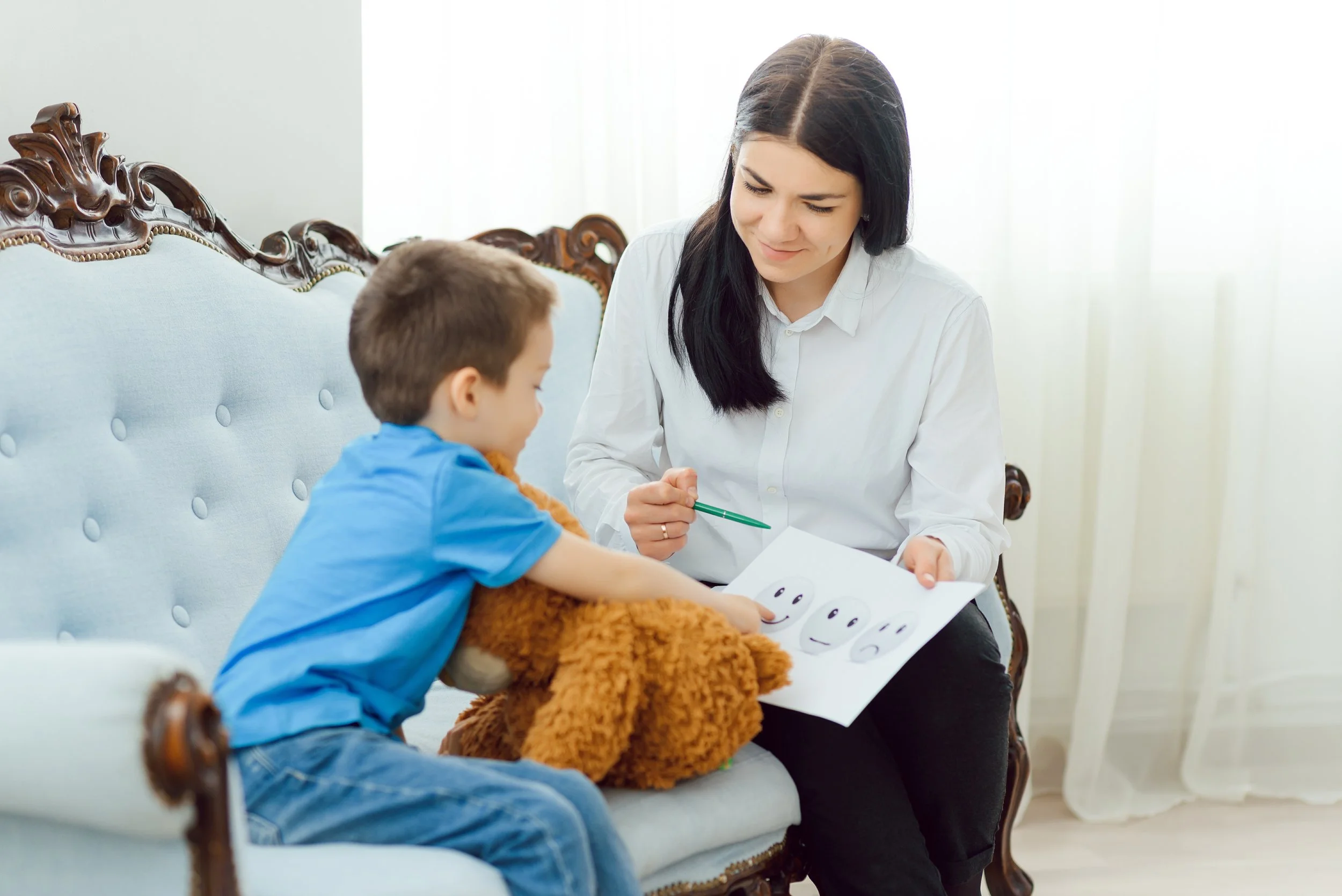
For younger children, the MINDHACK™ framework can be used to help them understand how their mind and body respond when emotions feel big or when they are under pressure. This is introduced in a simple, imaginative and age-appropriate way, using language and ideas children can relate to.
Through this work, children begin to notice what can trigger worry or overwhelm, how the brain reacts to stress, and how they can calm themselves when things feel too much. They are supported to develop more helpful and confident ways of thinking, using tools they can practise in everyday life.

For older children (around age 10+) and teenagers, Study Calm can be used where school pressure, exam anxiety, motivation or focus are concerns.
Study Calm introduces practical strategies, often described as brainhacks that help young people understand their stress response and respond more effectively to it. This can include learning ways to manage the mental and physical effects of stress, improving focus, reducing avoidance or procrastination, building healthier study habits and approaching schoolwork with a calmer, more confident mindset.
These tools are intended to support both emotional wellbeing and growing independence, within school and beyond.
Next Steps
If you think therapy might be helpful for your child or young person, you are welcome to get in touch. An initial conversation offers an opportunity to talk things through, ask questions and consider whether working together feels like a good fit.